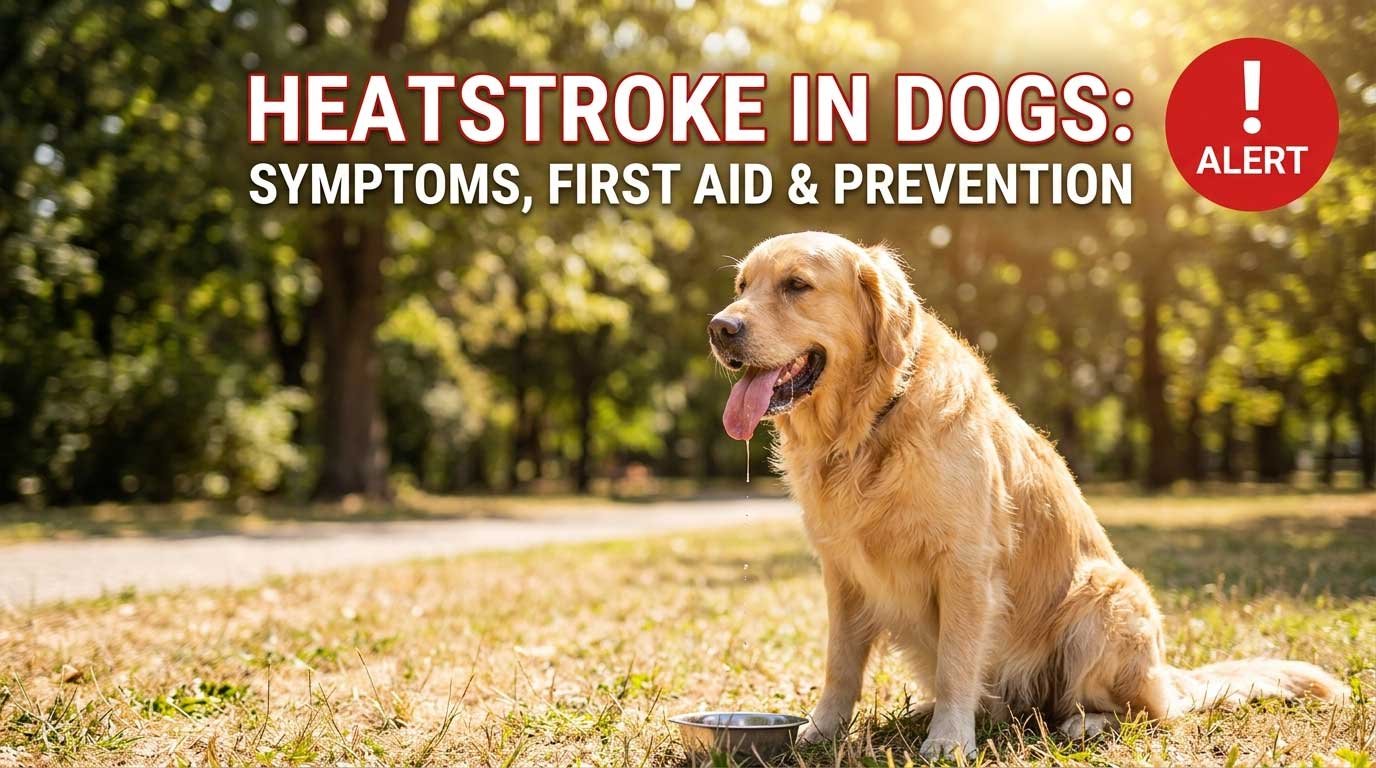
Heatstroke in Dogs: Symptoms, First Aid and Prevention
 Mila Flowers
September 19, 2026

 Mila Flowers
Dogs can overheat quickly because they mainly rely on panting to regulate body temperature. Heatstroke occurs when their body becomes dangerously hot and cannot cool itself effectively. It is a medical emergency that can cause organ damage or death without prompt treatment.
Recognizing the early warning signs is important. Symptoms may include:
Flat-faced breeds, overweight dogs, older pets, and dogs with heart or respiratory conditions may have a higher risk of overheating.
If you suspect heatstroke, start cooling your dog and contact a veterinarian immediately.
Move your dog to a shaded, cool, or air-conditioned location. Apply cool or tepid water to the body and use a fan to encourage cooling. Offer small amounts of water if your dog is alert and able to drink, but do not force it.
Avoid delaying veterinary care simply because your dog appears better after cooling. Heatstroke can cause internal complications that may not be immediately visible.
Avoid:
Controlled cooling and prompt veterinary assessment are important because severe overheating can affect multiple organs.
Simple precautions can significantly reduce the risk:
Severe panting, vomiting, weakness, confusion, collapse, seizures, or difficulty breathing require immediate veterinary attention.
A Veterinary Clinic Edmonton can provide assessment and treatment for heat-related concerns. However, suspected heatstroke should be treated as an emergency. An Emergency Vet Clinic Edmonton can provide urgent care when your dog’s condition is severe.
If your dog is showing serious heatstroke symptoms, contact an Emergency Vet Edmonton service immediately while beginning safe cooling measures.
Never wait for heatstroke symptoms to become severe before seeking help. Early action can make a critical difference.
