Can AI Diagnose Your Pet? What Edmonton Pet Parents Should Know Before Trusting ChatGPT
 Mila Flowers
August 24, 2026

 Mila Flowers
Have you ever noticed something unusual about your dog or cat and immediately searched for an answer online? Today, many pet parents are also asking ChatGPT and other AI tools about their pets’ symptoms.
AI can be useful for general education, but can it actually diagnose your pet? Not reliably.
ChatGPT can explain common causes of symptoms such as:
It can also help you prepare questions before speaking with your veterinarian.
However, AI usually works from the information you provide. It cannot physically examine your pet, check vital signs, perform laboratory tests or understand subtle changes that a veterinarian may notice during an examination.
Several conditions can produce similar symptoms.
For example, vomiting could result from something relatively minor, but it could also indicate poisoning, an intestinal blockage or another serious problem.
Furthermore, AI systems can produce incorrect or incomplete information. The Canadian Veterinary Medical Association has highlighted concerns around veterinary AI, including potential bias, misdiagnosis and the lack of comprehensive regulatory oversight for some diagnostic systems.
Therefore, an AI response should be treated as information—not a diagnosis.
If your pet develops a sudden or severe problem, don’t spend hours trying different AI prompts.
Seek professional veterinary advice when you notice:
In these situations, contacting an Emergency Vet Edmonton service can be much more appropriate than relying on an online answer.
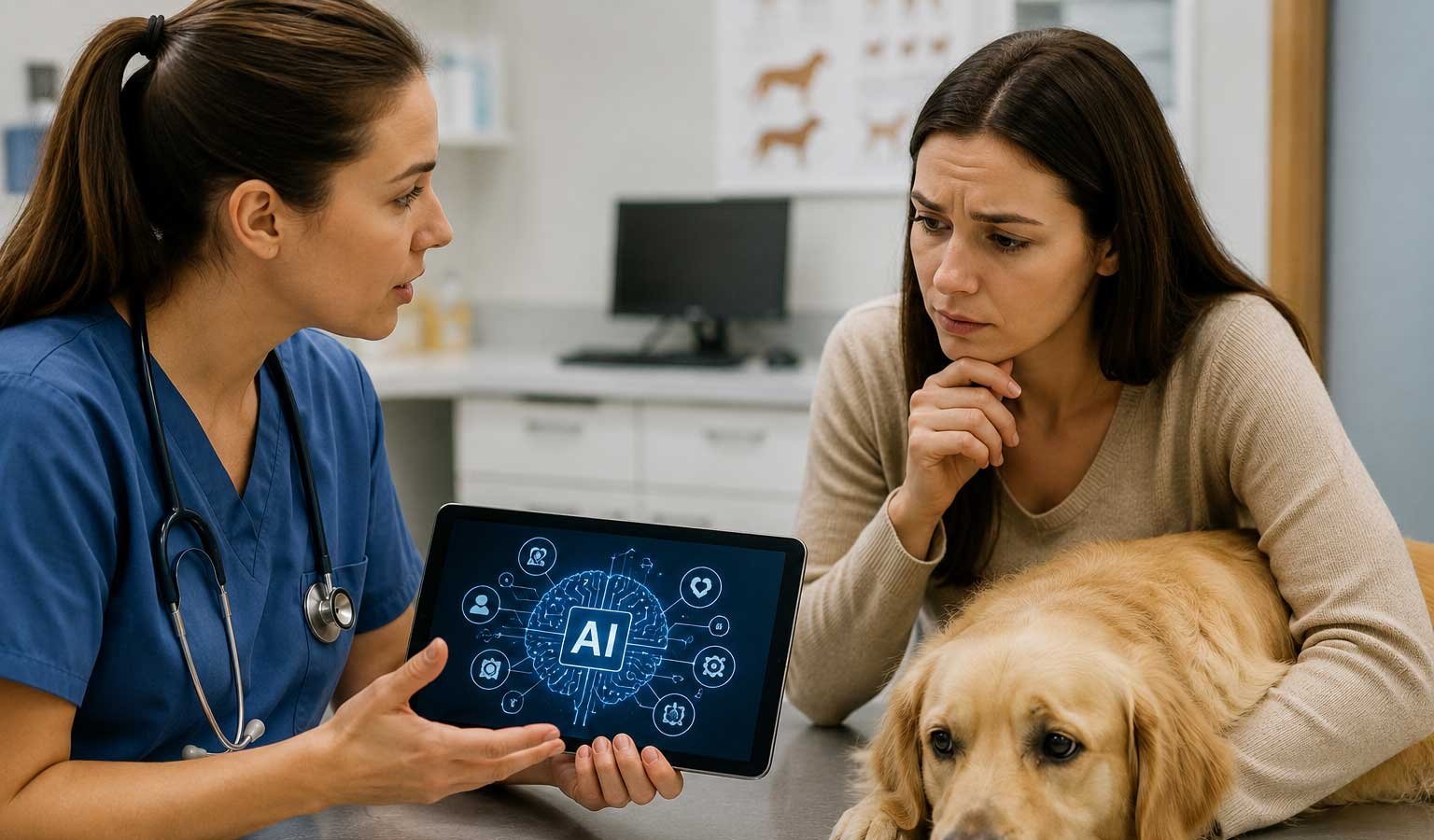
Absolutely. AI does have promising applications in veterinary medicine. Current research explores its use in areas such as diagnostic imaging, automated triage and disease monitoring. However, experts emphasize the importance of validation and professional oversight.
So, instead of asking, “Can ChatGPT replace my vet?” consider asking, “How can AI help me communicate better with my vet?”
ChatGPT can help you understand veterinary terminology, organize questions and learn about possible causes of symptoms. Nevertheless, it should never become your pet’s doctor.
When symptoms appear suddenly or become serious, contact an Emergency Vet Clinic Edmonton pet parents can trust. A qualified veterinarian can examine your pet, perform appropriate tests and recommend care based on the individual animal.
Use AI as an educational tool—but trust a veterinarian when your pet’s health is at stake.
